

Employer Checklist for June 2026
Here are the top 10 workplace compliance items you should tackle in June 2026, based on the latest labor and employment law updates.
|
_____ |
Prepare for potentially big changes from the EEOC. As employers wait for the EEO-1 reporting portal to open this year, the Trump administration just sent a proposal to the White House on May 14 aiming to end the requirement altogether. Here’s what we know so far and five steps you should take now while the process plays out. Additionally, on May 27, the agency took initial steps to end a safe harbor for employers with voluntary affirmative action plans. You can read more about this development here. |
|
_____ |
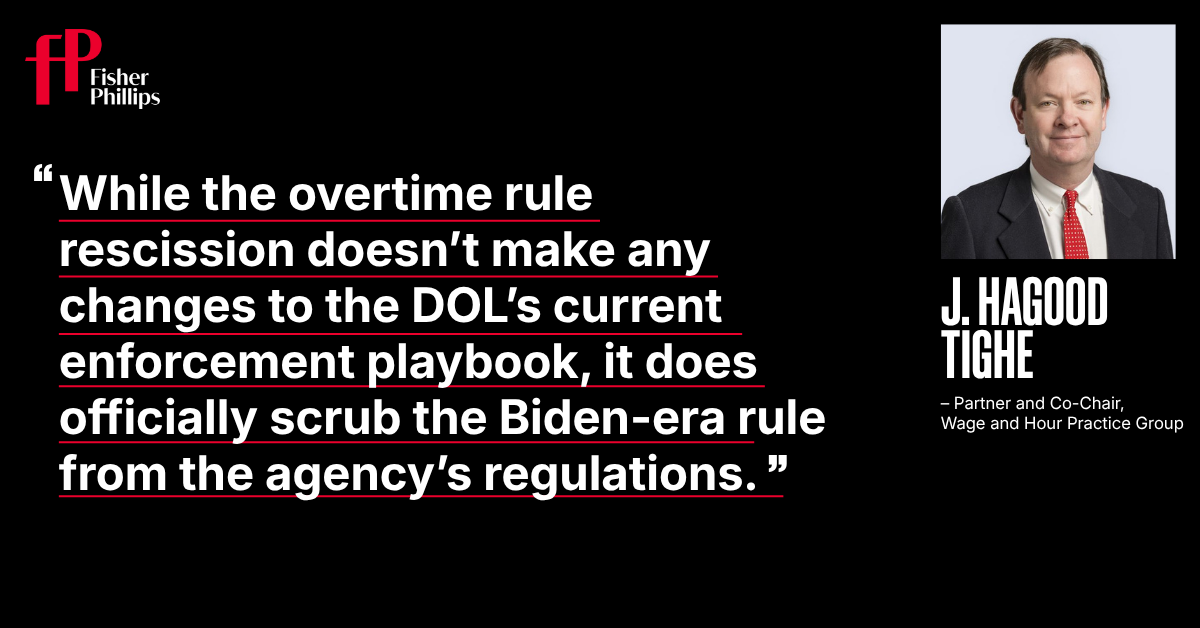
Catch up on the DOL’s overtime rule rescission. The DOL has formally wiped the Biden-era overtime rule from its regulations, cementing the $35K salary threshold put in place in 2019. Here’s everything you need to know about what the May 14 amendment means for your business.
|
|
_____ |
Stay current on evolving immigration developments. Several significant changes from federal immigration officials could have a huge impact on employers and their foreign national employees using temporary work visas. USCIS released a policy memo on May 22 stating that foreign nationals who are in the US temporarily and want to pursue a Green Card will need to return to their home country to apply except in “extraordinary circumstances.” Here’s a breakdown of seven key impacts and your five-step action plan. The State Department also issued new rules that bar nonimmigrant visa applicants who fear returning to their home countries. Learn what this means for your workplace. |
|
_____ |
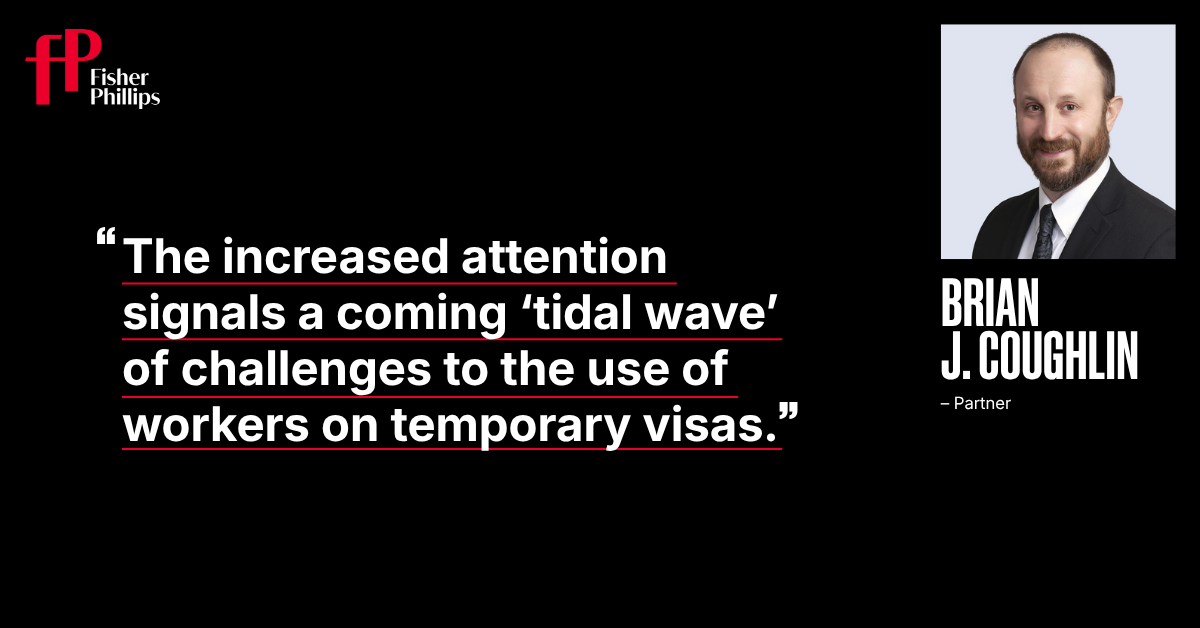
Review the Tech Sector impact of new immigration enforcement efforts. The federal government is stepping up enforcement against companies that allegedly ignore qualified US workers in favor of foreign nationals using temporary work visas. Here’s what happened and five ways to safeguard your hiring process. |
|
_____ |
Check out our helpful resource on combating AI use in pro se litigation. Courts are starting to see more pro se plaintiffs who use AI tools to file and maintain workplace lawsuits – and corporate counsel and defense attorneys need new tools to fight back. Take a look at our employer playbook for attacking AI use in pro se litigation, which compiles helpful court rulings and lays out a blueprint you can put to use in your cases. |
|
_____ |
Track global AI trends impacting the workplace. Two international developments in May show that the legal environment for AI in the workplace is changing. A Chinese appellate court ruled that an employer couldn’t terminate a worker simply because AI took over his job functions. Here’s why all employers with global operations should take note. Additionally, European Union lawmakers and member states reached a provisional agreement on May 7 to significantly overhaul the EU AI Act. The revisions will push back enforcement of high-risk AI rules by 16 months. Here’s what employers should do with the extra time. |
|
_____ |
Keep an eye on proposed changes to first union contract timelines. A bipartisan bill that would impose strict federal timelines and mandatory binding arbitration on first union contract negotiations is now on a fast track to becoming law. Here’s what you need to know about the Faster Labor Contracts Act and what it could mean for your labor relations strategy. |
|
_____ |
Review our guide to managing an aging workforce and key compliance considerations. Workers 55 and older are now the fastest-growing segment of the US labor force, which raises important legal questions around accommodations, benefits, and age discrimination. Here’s a practical look at the four key compliance considerations you should have on your radar. |
|
_____ |
Reduce your website privacy liability risk and prepare for upcoming Google changes. California’s website tracking litigation wave shows no signs of slowing down, and seven recent court decisions offer a clearer picture of liability risks for businesses. Read our roundup here, plus what your business needs to do to protect itself. You should also be aware of significant changes Google is making to Analytics and Ads on June 15 that may require you to update your configurations, privacy notice, and cookie management platform. Here’s what your business should do before the deadline. |
|
_____ |
Check for state and local updates in the places you operate, including the following:
|
We will continue to monitor developments related to all aspects of workplace law. Make sure you are subscribed to Fisher Phillips’ Insight System to get the most up-to-date information. If you have questions, contact your Fisher Phillips attorney.
Related People