
We won’t pretend to have a crystal ball when it comes to what will happen in the labor and employment legal landscape in the new year, especially given the nature of modern-day politics. But despite the uncertainty, we asked our firm’s thought leaders to develop their best predictions to help you plan for 2026. You can read our entire FP Workplace Law 2026 Forecast here, or you can dive into this Insight for the top 10 predictions we pulled from our report.
Government Relations: DC Will Be Full Speed Ahead Once Again
The second Trump administration has been operating at a breakneck pace and there are no signs of that changing in 2026, especially with control of Congress on the line. The White House is aware that its agenda would face additional roadblocks if Republicans were to lose control of either the House or the Senate, so there will be concerted effort to move forward with the president’s priorities as soon as possible in the new year. This includes confirming judges to benches across the country (and potentially the Supreme Court if Justices Thomas or Alito retires), continued deportation efforts (especially given ICE’s boosted budget), and reducing the size of the federal government.
Immigration: An H-1B Lottery Overhaul is Coming
A growing series of pressures on the H-1B system in 2025 already brought heightened investigations, new fee requirements, intensified employer scrutiny, and a sweeping new social media vetting requirement for H-1B workers and their families.
In 2026, we predict that DHS will replace the current random H-1B cap lottery with a weighted selection system that gives higher-wage positions better odds of being chosen, potentially as soon as the March 2026 cap season. Even if litigation slows implementation this coming year, it’s likely to take effect during this administration. The change will heavily favor employers able to offer Level III–IV wages, making it harder for startups, non-profits, and entry-level roles to secure visas. This will force many organizations to rethink compensation strategies and diversify their global talent pipelines.
|
We’re your one source for global immigration solutions. Our experienced lawyers provide advice and counsel to businesses of all sizes – ranging from entrepreneurs to Fortune 100 companies – on the full range of immigration issues. Reach out to our practice group leaders with any questions. |
Artificial Intelligence: Bias Audits Will Become a Must-Have for Employers
Despite a recent executive order targeting “onerous” state AI laws, employers will continue to face a growing patchwork of state and local laws focused on combating AI bias in hiring and the workplace. And an AI bias audit is one of the most effective ways to identify and mitigate risk given the evolving state of AI-related laws springing up around the country. Indeed, plaintiffs’ attorneys are already using the absence of an audit as evidence of negligence or discriminatory design. Learn more about FP’s AI Bias Detection and Mitigation Program here.
Wage and Hour/Pay Equity: State Enforcement to Step Up
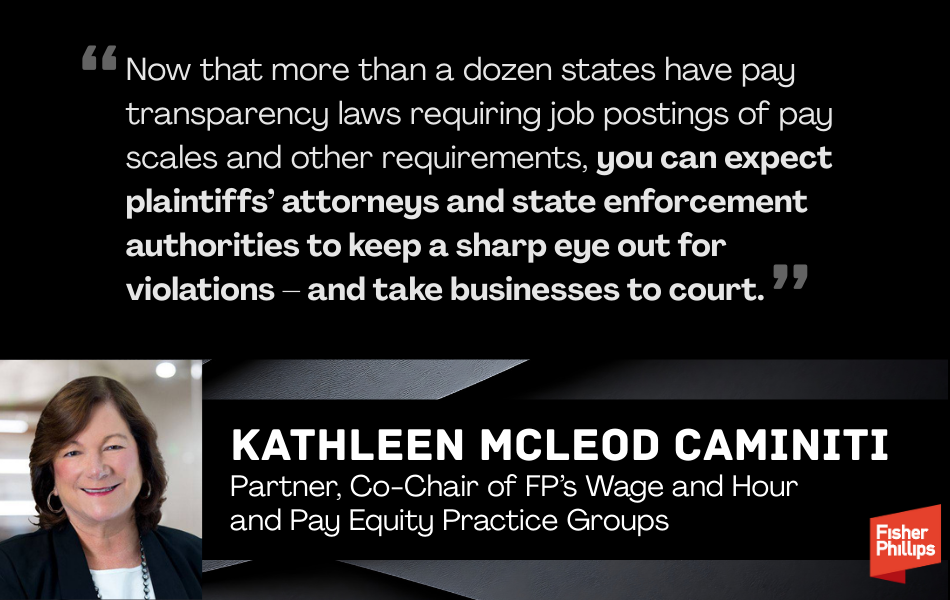
States with robust wage and hour and wage payment laws (such as CA, IL, NJ, NY, WA) will continue to aggressively enforce their laws during a period when DOL enforcement activities may decline (in part, due to a reduction in the number of investigators). On the other hand, expect federal enforcement to continue to take a business-friendly approach, and expand the multiple compliance assistance programs it rolled out in 2025.
We also anticipate a noticeable uptick in pay equity litigation, fueled by well-publicized gender pay settlements and pro-plaintiff decisions in states with robust pay equity statutes. Use our Pay Equity and Transparency Map to track state developments on pay discrimination laws.
Workplace Safety: New Leaders Promise a Business-Friendly Approach
New leadership will mean a new day for employers. Now that David Keeling is in place as the new head of OSHA and Wayne Palmer has been confirmed to lead MSHA, we expect efforts to increase outreach to industry to begin. For example, we predict OSHA will issue few, if any, press releases after an employer is cited for safety violations. We also expect fewer regulations to be proposed or promulgated.
Labor Relations: The NLRB Will Begin Dismantling the Biden-Era Board’s Legacy
The Board should finally return to a legal quorum by early 2026. It will likely seek to overturn several significant Biden-era cases in the months thereafter, including rulings that addressed restrictions on workplace conduct rules, remedies available for unfair labor practices, and mandatory captive audience meetings, among other precedent-setting decisions. In response, unions are expected to abandon their reliance on the NLRB. This could mean an increase in labor grievances in union shops. Unions may also revisit recognitional picketing to pressure employers into recognizing them outside the election process.
Sports: Continued Battle Over Student-Athlete “Employee” Status
Both the DOL and NLRB were directed by President Donald Trump to clarify the status of student-athletes as part of a July executive order. While it’s unlikely the Trump administration will be willing to upend the current college sports model by deeming college athletes as employees who have collective bargaining rights and overtime protections, guidance from these agencies on the issue has yet to materialize.
|
With deep industry experience and more than 35 attorneys who were collegiate or professional athletes themselves, Fisher Phillips’ dedicated Sports Team knows your concerns firsthand and shares your passion. Click here to learn more. |
Privacy and Cyber: Wiretapping Litigation Wave Will Keep Churning
In addition to continued proliferation of privacy laws at the state level, we expect the plaintiffs’ bar to continue the wave of wiretapping and related claims against businesses relating to the use of tracking technology on company websites.
While the statutes being used as ammunition in these lawsuits predate the internet, courts are allowing them to move forward across the country, exposing businesses to expensive class action litigation. This trend began primarily in California, but it has already expanded to other states. We anticipate that it will continue to do so, unless or until state legislatures or courts directly address the application of wiretapping and other long-standing laws (that were intended for other purposes) to the use of tracking technology on websites.
International: Expanded Protections for Non-Traditional Workers
Multinational businesses should prepare for upcoming regulatory changes related to non-traditional workers, including freelancers and gig workers. For example:
- EU member states will need to adopt a new directive before the end of 2026 that seeks to curb worker misclassification, ensure algorithm transparency, and enhance working conditions and data protection for individuals engaged in platform work, including freelance, on-demand, and gig work.
- The first-ever law protecting freelancers and independent contractors in Japan came into effect in 2024. The law already requires businesses that do work in the country to review their workplace practices and adjust as necessary, and we expect regulations to be expanded and refined in 2026.
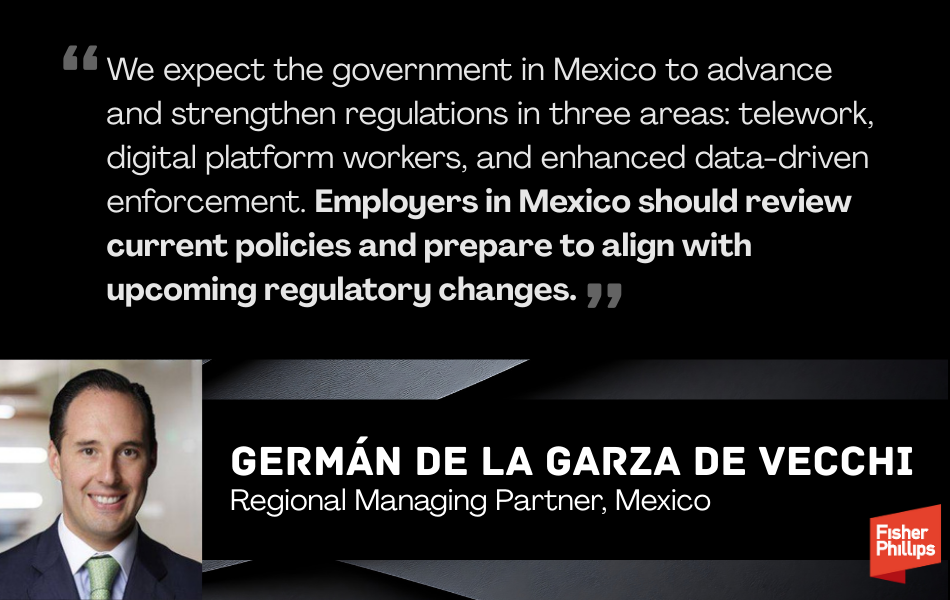
- Companies doing business in Mexico should also expect the government to advance and strengthen regulations for digital platform workers in the year ahead.
Construction: AI Claims, Immigration Enforcement to Increase
As the adoption of drones and AI-driven tools become commonplace, issues around privacy, data protection, off-the-clock work, and workplace surveillance will require contractors to develop clearer policies and disclosures. Additionally, we expect wage-theft enforcement actions to expand in more states, leading to more audits and increasing the importance of compliance and record-keeping.
Increased I-9 audits and ongoing jobsite raids will also require employers to continue to be vigilant about verification and compliance. Fisher Phillips offers a Rapid Response Team for DHS Raids to support employers when an workplace enforcement action occurs at your business.
Conclusion
If you want more predictions, you can read our entire FP Workplace Law 2026 Forecast here. We will continue to keep tabs on workplace law developments throughout the new year, so make sure that you are subscribed to Fisher Phillips’ Insights to get the most up-to-date information direct to your inbox. If you have further questions, contact your Fisher Phillips attorney.