

College sports has moved beyond the question of whether athletes should share in the revenue they help generate. The harder question now: can the current system actually hold?
Once viewed as a distant or unrealistic possibility, collective bargaining is now receiving serious attention from conference leaders, athletic directors, and other college sports stakeholders. Some see bargaining as a potential means of establishing nationally enforceable rules, giving athletes a formal voice, and reducing the cycle of litigation that continues to reshape the industry. Others question whether a labor model developed for professional sports can accommodate the legal, financial, and educational realities of university athletics.
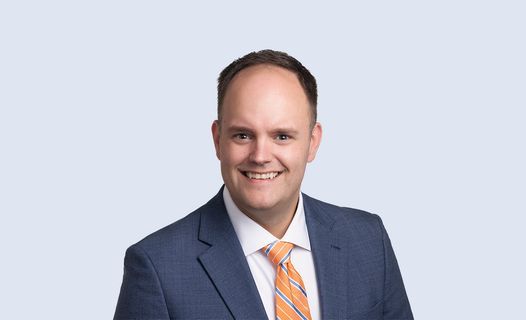
Join Fisher Phillips partner Joshua Nadreau for a practical, strategic overview designed for university general counsel, athletic department leaders, and higher education decision-makers who need to understand where this conversation is heading and what it means for their institution.
The webinar will cover:
- Why the conversation is accelerating: How revenue sharing, continued antitrust exposure, fragmented regulation, transfer and eligibility disputes, and the absence of a recognized athlete representative are pushing collective bargaining into the mainstream.
- What bargaining might—and might not—solve: The potential for negotiated rules addressing compensation, NIL, athlete movement, roster management, health and safety, enforcement, and athlete voice, along with the new risks and obligations bargaining could create.
- Who would sit at the table: Who's the employer? Who represents athletes? Does bargaining happen at the school, conference, sport, or national level?
- What university leaders should be considering now: The possible implications for public and private institutions, Title IX and non-revenue sports, institutional control, labor relations, operating costs, and long-term athletics strategy.
If you have any questions, please contact Sidra Trajcevska.
Educational Credits
HRCI and SHRM
- The firm is submitting this webinar for credit.
CLE
- Fisher Phillips will make all reasonable efforts to obtain CLE credit for this program in every state that is relevant to attendee’s CLE needs. In certain instances, some programs may not be awarded CLE credit because of content, delivery or jurisdictional restrictions.
Fisher Phillips is committed to providing access to all of our events for disabled attendees. Automated closed captioning is available for all of our webinars. For other accommodation inquiries, please give us three business days advance notice prior to the scheduled event by contacting Sidra Trajcevska. Thank you.
Related People
Regional Managing Partner and Vice Chair, Labor Relations Group
emailSend Email
phone617.722.0044